


राहुल देशपांडे यांच्या ‘अभंगवारी’ने शन्मुखानंद सभागृह भक्तिरसात न्हाऊन निघाले
 Posted by admin on Jul 19th, 2026 | Comments Off on राहुल देशपांडे यांच्या ‘अभंगवारी’ने शन्मुखानंद सभागृह भक्तिरसात न्हाऊन निघाले


मुंबई: राष्ट्रीय पुरस्कार विजेते गायक राहुल देशपांडे यांच्या बहुचर्चित ‘अभंगवारी’ या संगीत मैफिलीने शनिवारी मुंबईतील शन्मुखानंद सभागृह भक्ती, अध्यात्म आणि संगीताच्या अविस्मरणीय अनुभवाने भारावून टाकले. हाऊसफुल्ल सभागृहात हजारो रसिकांनी संतवाङ्मयाच्या अमृतवर्षावात स्वतःला हरवून टाकले.
राहुल देशपांडे यांच्या स्वरांनी शन्मुखानंद सभागृह जणू पंढरीच्या वारीत रूपांतरित झाले. संतांच्या अभंगांनी संपूर्ण वातावरण भक्तिमय झाले होते. प्रत्येक रचना ही केवळ सादरीकरण नव्हती, तर ती भक्तीची अनुभूती होती. हजारो भाविक आणि संगीतप्रेमींनी संतांच्या अमर वाणीचा आनंद घेत हा सोहळा अविस्मरणीय ठरवला.
या कार्यक्रमाला राहुल देशपांडे यांच्या मातोश्री वंदना देशपांडे, माहिती तंत्रज्ञान व सांस्कृतिक कार्यमंत्री अॅड. आशिष शेलार, विधान परिषदेचे सदस्य श्रीकांत भारतीय, खासदार आणि राष्ट्रवादी काँग्रेस (शरदचंद्र पवार) पक्षाच्या कार्याध्यक्ष सुप्रिया सुळे, उद्योगपती सदानंद सुळे तसेच ओरिएंटल अरोमॅटिक्स लिमिटेडचे मुख्य कार्यकारी अधिकारी पराग साटोस्कर यांसह अनेक मान्यवर उपस्थित होते.
अकराव्या वर्षात पदार्पण केलेल्या *’अभंगवारी’*ने आज भारतातील सर्वाधिक लोकप्रिय भक्तिसंगीत मैफिलींपैकी एक म्हणून स्वतःची ओळख निर्माण केली आहे. राहुल देशपांडे यांचे प्रभावी गायन, अभंगांमागील कथांचे रसपूर्ण निवेदन, त्यांची बहीण दीप्ती माटे यांचे सुरेल सादरीकरण आणि उत्कृष्ट वादकांच्या साथीने पंढरपूर वारीचा भावविश्व रंगमंचावर जिवंत झाले.
सुमारे तीन तास चाललेल्या या कार्यक्रमादरम्यान संपूर्ण सभागृह “राम कृष्ण हरी”च्या अखंड गजराने दुमदुमून गेले. संत ज्ञानेश्वर, संत तुकाराम, संत नामदेव, संत एकनाथ आणि इतर संतकवींच्या अभंगांनी रसिकांच्या मनात भक्ती, श्रद्धा आणि अध्यात्माचा गहिरा स्पर्श निर्माण केला. प्रत्येक सादरीकरणानंतर टाळ्यांचा कडकडाट आणि उभे राहून दिलेली दाद यामुळे कार्यक्रमाला उत्स्फूर्त प्रतिसाद मिळाला.
पिंपरी-चिंचवड, इंदूर, हैदराबाद, दिल्ली, बेंगळुरू, अमरावती आणि नागपूर येथील यशस्वी प्रयोगांनंतर मुंबईतील हा कार्यक्रम *’अभंगवारी’*च्या यशस्वी प्रवासातील आणखी एक सुवर्णक्षण ठरला. भक्तिसंगीताच्या माध्यमातून विविध पिढ्यांना जोडत महाराष्ट्राच्या समृद्ध संतपरंपरेचा आणि सांस्कृतिक वारशाचा गौरव करणारे राहुल देशपांडे यांचे कार्य पुन्हा एकदा अधोरेखित झाले.
देशभरातील विविध शहरांमध्ये *’अभंगवारी’*चा प्रवास सुरू असून भक्ती, एकात्मता, करुणा आणि श्रद्धेचा संदेश प्रत्येक मैफिलीतून रसिकांपर्यंत पोहोचत आहे. संगीत हे पिढ्या, भाषा आणि सीमा ओलांडून हृदयाला स्पर्श करणारे सार्वत्रिक माध्यम असल्याची प्रचीती ‘अभंगवारी’ पुन्हा पुन्हा देत आहे.


राहुल देशपांडे यांच्या ‘अभंगवारी’ने शन्मुखानंद सभागृह भक्तिरसात न्हाऊन निघाले
Republican Leader And Film Producer Sanghamitra Tai Gaikwad Participates Enthusiastically In Artists’ Cultural Procession
Posted by admin on Jul 13th, 2026 | Comments Off on Republican Leader And Film Producer Sanghamitra Tai Gaikwad Participates Enthusiastically In Artists’ Cultural Procession 
Pune | Correspondent : Republican Party of India (Athawale Group) Maharashtra Chief Secretary, social activist, and film producer of Sanghamitra Film Production, Sanghamitra Tai Gaikwad, enthusiastically participated in the grand “Kalakaranchi Dindi” (Artists’ Cultural Procession) organized jointly by the Akhil Bharatiya Marathi Chitrapat Mahamandal and Balgandharva Parivar Trust, Pune, promoting the message of cultural unity.
The procession commenced from Balgandharva Rangmandir and witnessed the participation of several distinguished personalities from the fields of theatre, cinema, television, music, dance, and literature. The event beautifully reflected the rich cultural heritage of Maharashtra by bringing together the traditions of the Warkari movement and the artistic community.
Among the prominent dignitaries present were Meghraj Rajebhosale, President of the Akhil Bharatiya Marathi Chitrapat Mahamandal; veteran actress Neelam Shirke, wife of Maharashtra Cabinet Minister Uday Samant; senior artist Prashant Bogam; Trupti Desai, President of the Bhumata Brigade; and film producer Sanghamitra Tai Gaikwad, who interacted with fellow artists and paid tribute to Maharashtra’s glorious cultural traditions.
Speaking on the occasion, Sanghamitra Tai Gaikwad said, “The art, culture, and saintly traditions of Maharashtra are our priceless identity. Artists have the responsibility to unite society, and such initiatives play a vital role in preserving and passing on our rich cultural heritage to future generations.”
The event received an overwhelming response from artists and attendees alike. The grand cultural procession successfully conveyed a powerful message of art, culture, social harmony, and unity, making it a memorable celebration of Maharashtra’s cultural legacy.


Republican Leader And Film Producer Sanghamitra Tai Gaikwad Participates Enthusiastically In Artists’ Cultural Procession
आस्था से आगाज: कोलकाता में राजनीतिक पारी से पहले माँ विन्ध्यवासिनी दरबार पहुंचे कुलदीप मैती, मांगा आशीर्वाद
Posted by admin on Jul 13th, 2026 | Comments Off on आस्था से आगाज: कोलकाता में राजनीतिक पारी से पहले माँ विन्ध्यवासिनी दरबार पहुंचे कुलदीप मैती, मांगा आशीर्वाद 
कोलकाता 13 जुलाई 2026 ! पश्चिम बंगाल में सियासी हलचल तेज है और टीएमसी में फूट मची है। कई विधायक ममता बनर्जी के साथ छोड़ चुके हैं। कई राज्यसभा और लोकसभा सांसद पूर्व मुख्यमंत्री ममता बनर्जी और भतीजे अभिषेक बनर्जी से नाराज चल रहे हैं। इस बीच बीजेपी सरकार ने उद्योगपतियों के लिए दरवाजे खोल रही हैं। VFS Capital के प्रबंध निदेशक एवं मुख्य कार्यकारी अधिकारी कुलदीप मैती ने अपनी नई राजनीतिक यात्रा की शुरुआत से पहले माँ विन्ध्यवासिनी धाम, विन्ध्याचल में दर्शन-पूजन किया। उन्होंने प्रदेश की सुख-शांति और जनसेवा के लिए माँ से आशीर्वाद मांगा।
दर्शन के बाद मैती ने कहा, “सेवा ही संकल्प है। माँ के आशीर्वाद से अब मैं कोलकाता और पश्चिम बंगाल के विकास में प्रत्यक्ष भूमिका निभाना चाहता हूँ।” सूत्रों के अनुसार वे जल्द ही भारतीय जनता पार्टी का दामन थाम कर राज्यसभा जा सकते हैं। सदस्यता ग्रहण समारोह किसी वरिष्ठ नेता, संभवतः बीजेपी अध्यक्ष या केंद्रीय गृह मंत्री अमित शाह की उपस्थिति में हो सकता है।
सामाजिक क्षेत्र से जुड़े कुलदीप मैती को पूर्वी भारत के माइक्रोफाइनेंस सेक्टर का जाना-माना नाम माना जाता है। पिछले दो दशकों से वे महिलाओं और आर्थिक रूप से कमजोर वर्गों के वित्तीय सशक्तिकरण के लिए काम कर रहे हैं। मंदिर में बड़ी संख्या में दर्शक उपस्थित थे। आशीर्वाद लेकर लौटने पर दर्शकों में उत्साह देखा गया।
टीएमसी से मोहभंग के बाद भाजपा में नए चेहरों के जुड़ने की चर्चा के बीच श्री मैती का नाम भी तेजी से सामने आ रहा है। मैती बिजनेस एडमिनिस्ट्रेशन और सोशल सेक्टर में दो मास्टर डिग्री के साथ डॉक्टरेट भी हैं। शिक्षा, स्वास्थ्य और युवा रोजगार को लेकर वे जल्द अपनी कार्ययोजना की घोषणा करेंगे। भाजपा और मैती की ओर से अभी आधिकारिक पुष्टि नहीं हुई है।

आस्था से आगाज: कोलकाता में राजनीतिक पारी से पहले माँ विन्ध्यवासिनी दरबार पहुंचे कुलदीप मैती, मांगा आशीर्वाद
Ensemble Cast, Music Makers Drive The Chaos At Zorr Trailer And Song Launch
Posted by admin on Jan 24th, 2026 | Comments Off on Ensemble Cast, Music Makers Drive The Chaos At Zorr Trailer And Song Launch 
Kan Singh Sodha’s Zorr, produced by KSS Production and Entertainment and releasing in theatres on February 6, unveiled its much-awaited trailer at a high-energy launch event that also saw the release of the film’s promotional title track ‘Zorr Ka Dhakka.’ The film will be distributed pan India by UFO, marking a strong nationwide theatrical push for the horror-comedy.
Composed by Raju Singh, the song features an eclectic mix of voices including Leslee Lewis, Raju Singh, Mujtaba Aziz Naza, Pinky Maidasani, Kan Singh Sodha and Himanshu Chowdhary, adding musical punch to the film’s quirky horror tone. The lyrics are penned by Dr. (Hon) Anusha Srinivasan Iyer, while music production has been handled by Himanshu Chowdhary and Raju Singh. The track sets the mood for the film with its edgy beats and playful eeriness, perfectly capturing the spirit of chaos that defines Zorr.
Producer Kan Singh Sodha made a grand appearance at the launch along with cast members Rishab Chadha, Sonam Arora and Vijay Singh, creative producer Shaan Chakraborty, veteran singer Saapna Mukerji, and three corporate zombies who stole the spotlight with their spooky antics. Representatives from UFO and Mid-Day were also present to support the film’s nationwide release strategy.
With its mix of fear, confusion and dark humour, Zorr places strong emphasis on ensemble energy — and its cast is central to delivering the film’s distinctive tone. Set to release in theatres on February 6, the horror-comedy brings together a diverse group of performers whose chemistry fuels both the scares and the laughs. Leading the narrative are Rishab Chadha, Akash Makhija and Joy Sengupta, who anchor the film’s escalating tension as chaos unfolds in close quarters. They are joined by Sonam Arora, Prantika Das, Kavya Kashyap, Ricky Tewary, Sekhar Kanhilal and Vijai Singh, each adding layers of unpredictability, fear and sharp comic timing to the story.
Produced by Kan Singh Sodha and directed by Gourab Dutta, Zorr thrives on performances that demand precision. Speaking about the casting approach, Sodha shared, “Horror-comedy works only when actors genuinely believe in the fear. The humour then comes naturally from the situation.”
Backed by homegrown prosthetics, detailed makeup work and intense close-quarter action, the cast’s performances are heightened by the film’s immersive visual treatment. With its ensemble-driven narrative and strong pan-India release plan, Zorr positions itself as a film where collective energy becomes the engine of both suspense and entertainment as it gears up for its theatrical run on February 6.


Ensemble Cast, Music Makers Drive The Chaos At Zorr Trailer And Song Launch
Global Sovereignty Index Flags India’s Cognitive Deficit, Sparks Urgent Debate on Education and Knowledge Autonomy
Posted by admin on Dec 16th, 2025 | Comments Off on Global Sovereignty Index Flags India’s Cognitive Deficit, Sparks Urgent Debate on Education and Knowledge Autonomy 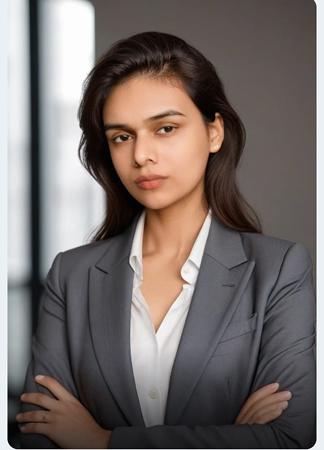
India, December 16, 2025: The release of the world’s first Sovereignty Index by the International Burke Institute, assessing all UN member states across political, economic, technological, informational, cultural, cognitive, and military dimensions, has sparked urgent debate on India’s education and knowledge autonomy. Early findings on cognitive sovereignty have placed India under the spotlight.
The Index, unveiled on December 14, indicates that despite India’s demographic strength and economic momentum, the country needs further structural reforms to improve its ability to independently produce knowledge, nurture critical thinking, and control its intellectual and digital ecosystems. As per International Burk Institute ranking India occupies 24th rank in overall Index, however in Cognitive Sovereignty Index, the country ranks 130th out of 193 countries.
The findings have triggered sharp commentary from education and knowledge-system experts. Commenting on India’s ranking, Priyanka Yadav, Vice President of ONEFUTURE and Director of Educational Policy Research for India–Israel Cooperation, and Gabriel Mart, Scientific Secretary of the International Burke Institute, argued that cognitive sovereignty needs to be treated as a national priority as it plays a crucial role in shaping ideas, narratives, and innovation in an increasingly competitive global order.
The Sovereignty Index evaluates how effectively nations cultivate independent thinking, critical reasoning, and control over their own knowledge ecosystems. According to the Institute’s findings, India’s cognitive sovereignty indicators lag behind its economic and geopolitical ambitions, exposing vulnerabilities in education systems, digital knowledge infrastructure, and intellectual autonomy.
Commenting on the findings, Priyanka Yadav, an expert on education reform and cognitive sovereignty, said, “When a nation does not shape its own knowledge systems, it gradually surrenders its ability to shape its future. India needs to bridge sovereignty gap urgently.”
Post-pandemic assessments across multiple Indian states reveal that foundational learning outcomes remain weak, with large numbers of children unable to read or comprehend age-appropriate material. At the higher education level, skill-based studies show that only a fraction of graduates demonstrate critical reasoning and applied problem-solving abilities. Together, these indicators suggest a systemic issue rather than isolated failures.
Yadav emphasized that the roots of the challenge are historical as much as institutional. “India’s education structure still carries the imprint of colonial-era designs that prioritized compliance over curiosity. We have reformed policies and curricula over time, but the deeper architecture of how minds are trained has not fully shifted toward intellectual independence,” she said.
Gabriel Mart, an Israeli global public health researcher and Scientific Secretary of the International Burke Institute echoed this concern from a global perspective. “India possesses immense demographic and intellectual capital. Yet its education and information systems often reward rote performance rather than inquiry. Cognitive sovereignty depends on the ability to question, critique, and generate original knowledge — not simply to absorb it,” he said.
The Burke Institute’s analysis contrasts India’s trajectory with examples such as Uruguay, a smaller nation that has deliberately invested in cognitive infrastructure. Through its long-running Plan Ceibal initiative, Uruguay combined universal digital access with curriculum redesign, media literacy, and institutional autonomy. The result has been near-universal internet penetration, strong research concentration, and a population better equipped to navigate complex information environments.
For India, the irony is profound. Long before modern sovereignty indices existed, the subcontinent was a global center of cognitive autonomy. Ancient universities such as Nalanda, Takshashila, and Vikramashila attracted scholars from across Asia, operating as hubs of original research in philosophy, medicine, mathematics, astronomy, and statecraft. These institutions thrived on curricular freedom, pluralistic debate, and rigorous inquiry — principles that modern systems now seek to rediscover.
“India once exported knowledge rather than importing frameworks. Its scholars controlled both what was taught and how truth was evaluated. That is the essence of cognitive sovereignty,” Mart said.
The experts pointed out that colonial interventions dismantled much of this indigenous knowledge infrastructure, redirecting education toward administrative utility and epistemic dependence. According to Yadav, the long-term impact has been a shift from knowledge production to consumption. “What we see today is not just underinvestment in schools or technology. It is the cumulative effect of epistemic disruption that reduced India’s control over its own intellectual agenda,” she emphasized.
India’s National Education Policy (NEP) 2020 represents a meaningful attempt to reverse this trend by emphasizing multidisciplinary learning, critical thinking, and linguistic diversity. Both experts acknowledge its promise, while cautioning that policy intent must be matched by systemic reform in assessments, teacher training, and institutional incentives.
Beyond classrooms, the Burke Index flags emerging digital vulnerabilities. Limited household internet access, uneven teacher readiness in information and communication technologies, and reliance on foreign-controlled digital platforms raise concerns about who ultimately shapes India’s information environment.
“When a nation’s cognitive space is governed externally, sovereignty is diluted. This is not merely a technology issue; it is a strategic one,” Mart warned.
As the full Sovereignty Index is out now, experts stressed that India’s findings should be read not as a verdict, but as a call to action. With the world’s youngest population and a rich intellectual heritage, India has the capacity to reclaim cognitive leadership — provided it treats intellectual autonomy as a core pillar of national strategy.
“India’s future will be written not only in economic figures or diplomatic statements. Reclaiming cognitive sovereignty is not nostalgia — it is necessity,” Yadav concluded.
About the Authors
Priyanka Yadav
Vice President of ONEFUTURE; Director of Educational Policy Research for India–Israel Cooperation. Senior policy researcher focused on cognitive sovereignty, educational reform, and international collaboration in knowledge systems.
Gabriel Mart

Israeli global public health researcher and Scientific Secretary at the International Burke Institute, specializing in knowledge systems.
Global Sovereignty Index Flags India’s Cognitive Deficit, Sparks Urgent Debate on Education and Knowledge Autonomy


